Why Checking the Seams Matters More Than Checking the Label When Thrifting
A garment’s fabric content label gets checked first when thrifting, scanning for natural fibers like cotton, wool, or silk as a quick quality shortcut. But seam construction, straight, evenly spaced stitching without puckering or loose threads, reveals more about how a piece was actually made and how long it’ll hold together, regardless of what the fabric label says.
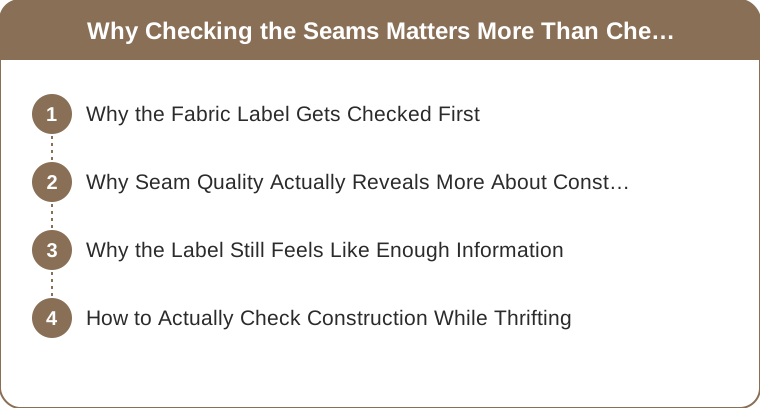
Why the Fabric Label Gets Checked First
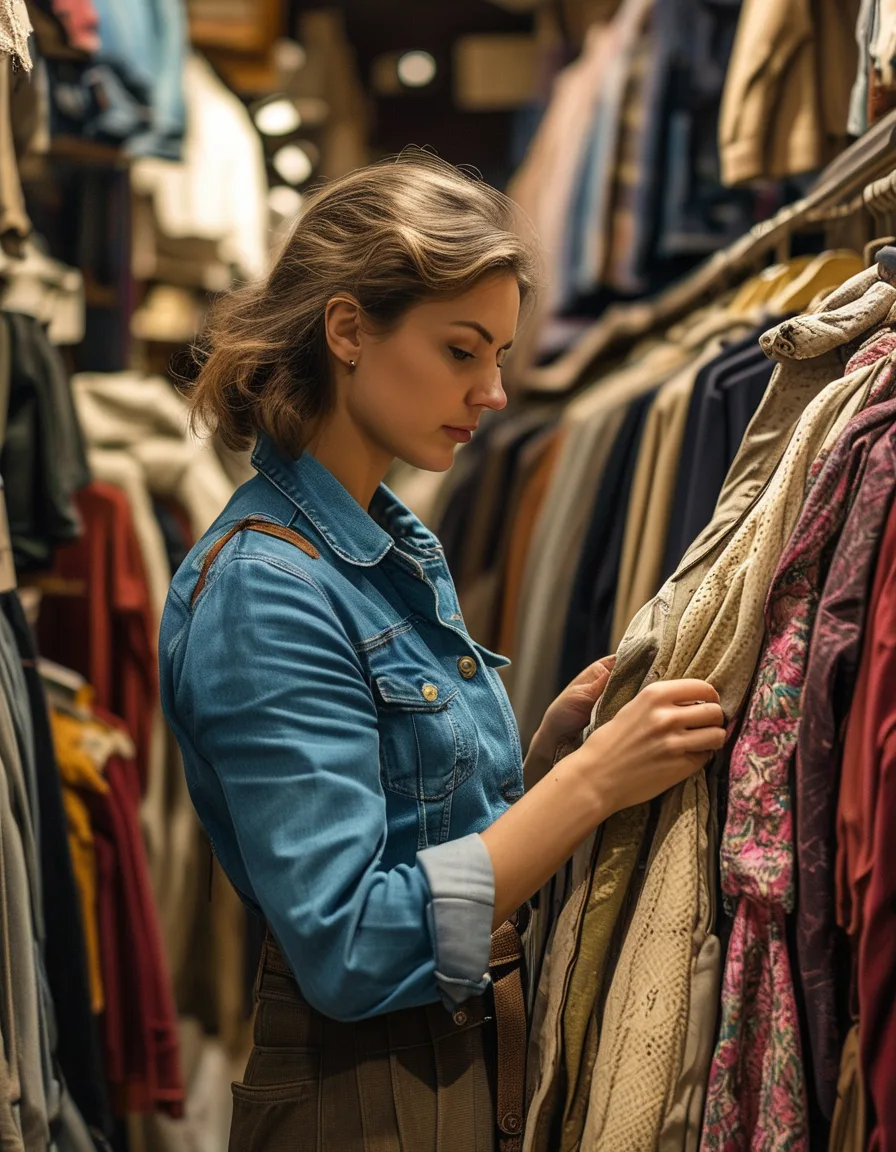
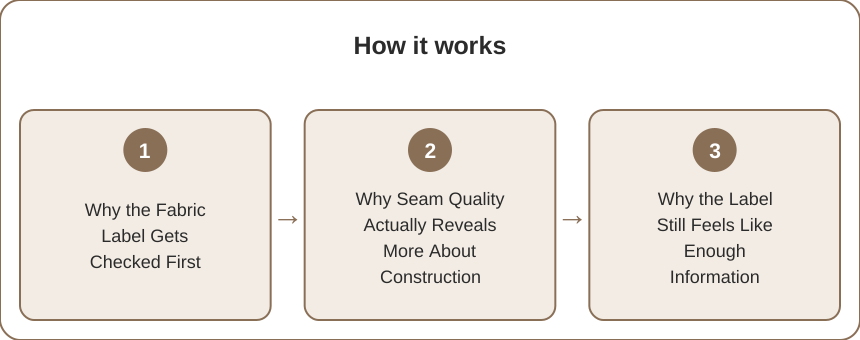
The quick-shortcut habit: flipping to a garment’s fabric content tag being the fastest single check available while thrifting, since natural fiber content is broadly associated with higher quality, making it a convenient first filter.
Why Seam Quality Actually Reveals More About Construction
The construction reality: a garment made from great fabric can still be assembled with cheap, rushed construction, uneven stitch length, puckered seams, or loose threads at stress points, and those construction flaws predict how quickly a piece will fall apart at the seams regardless of how good the underlying fabric is.
Why the Label Still Feels Like Enough Information
The overlap: good fabric and good construction often, but not always, coming from the same well-made garment, which is why checking fabric alone works often enough to feel sufficient, right up until a beautifully fibered piece with sloppy seams falls apart after a few washes.
How to Actually Check Construction While Thrifting
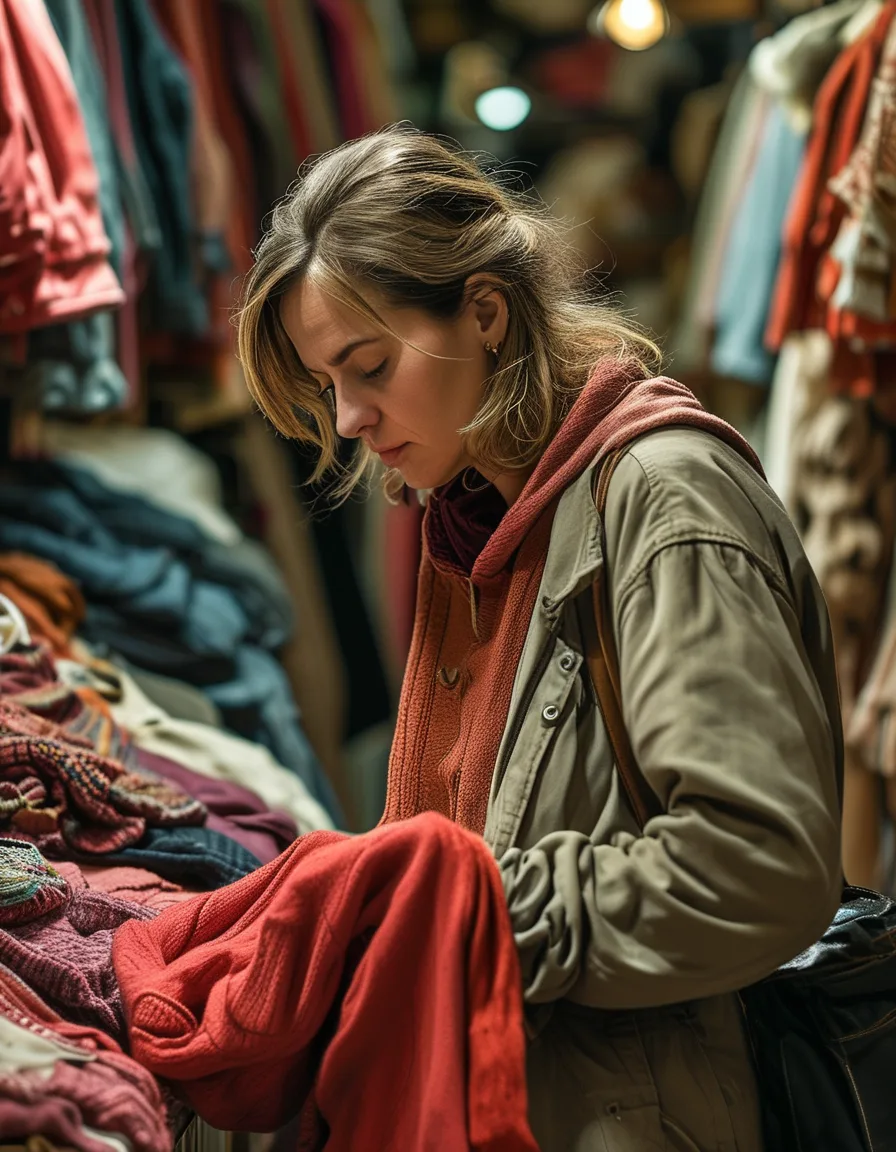
The practical inspection: turning a garment inside out to check seam allowances for even width, no fraying, and no loose or skipped stitches, particularly at high-stress points like underarms and crotch seams, and the frame (seam construction predicts how a piece holds together more than fabric content alone — turning it inside out is what actually confirms quality while thrifting.)
A garment’s fabric content label gets checked first when thrifting, scanning for natural fibers as a quick quality shortcut. But a garment made from great fabric can still be assembled with cheap, rushed construction, uneven stitching or puckered seams, and those flaws predict how quickly a piece falls apart regardless of the fabric. Good fabric and good construction often come from the same well-made garment, which is why checking fabric alone feels sufficient until a beautifully fibered piece with sloppy seams falls apart after a few washes. Turning a garment inside out to check seam evenness at stress points is what actually confirms quality.
Keep Reading
This article is for general styling and informational purposes only. Trends, sizing, availability and pricing may vary by brand and season.