The Thrift Quality Inspection: The Two-Minute Checks Before Anything Comes Home
Thrifting’s only real risk is the flawed find discovered at home — the hidden stain, the broken zip, the moth story — and the two-minute inspection protocol converts the gamble into a system. The thrift-inspection guide.
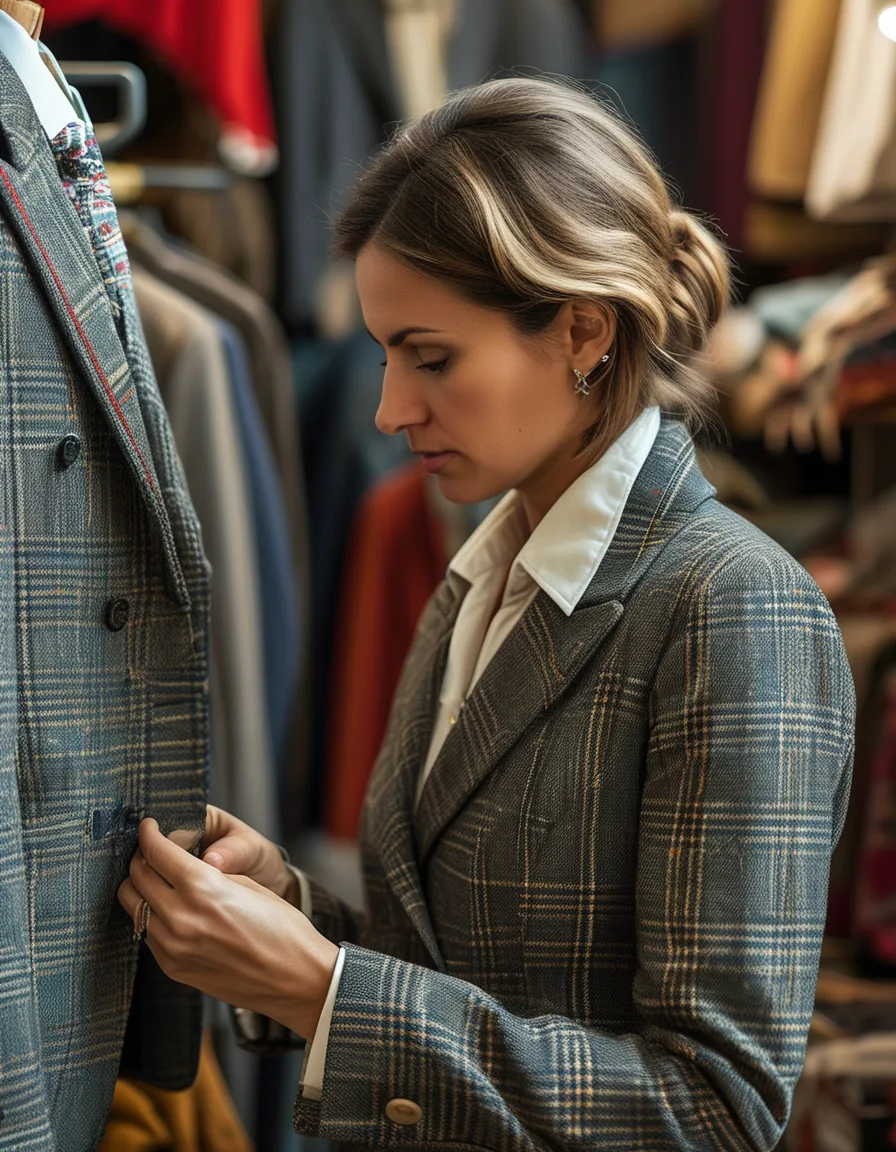
The Inspection Case
Why the checks matter: the no-returns reality (the most thrift sales being final — the inspection BEING the return policy), the flaw economics (the five-dollar find plus a broken zip being a fifteen-dollar repair — the total-cost math per the alteration logic; the fixable-versus-fatal sorting), the goldmine context (the thrift racks holding genuine quality per the thrift logic — the inspection protecting the treasure hunt’s returns), and the speed requirement (the two-minute protocol per garment — the thorough-but-fast craft that serious thrifters run on autopilot).

The Check Protocol
The two minutes: check one — the fabric hand-and-light (the quality feel per the quality logic — the held-to-light thinning-and-holes scan; the pilling assessment: the revivable versus the terminal per the knit-care logic), check two — the stain patrol (the underarms, collar, cuffs and front — the daylight-or-window inspection; the set-stain honesty: the mystery stain being usually permanent per the stain logic), check three — the hardware audit (the EVERY-zip run — the buttons counted and the spares checked; the hardware being the priciest repairs), check four — the seam-and-hem tour (the seams stress-tested gently — the hem drops and the lining tears; the sewable-versus-structural sorting per the repair logic), check five — the odor test (the honest sniff — the washable mustiness versus the embedded smoke-and-mothball; the odor being the hardest flaw to fix), check six — the moth-and-damage scan (the knits held to light for the telltale holes per the moth logic — the leather cracked-versus-patina distinction per the leather logic), and the label intelligence (the fabric content and care labels read — the quality-era brand knowledge per the vintage logic; the union-and-vintage tags as bonus finds).
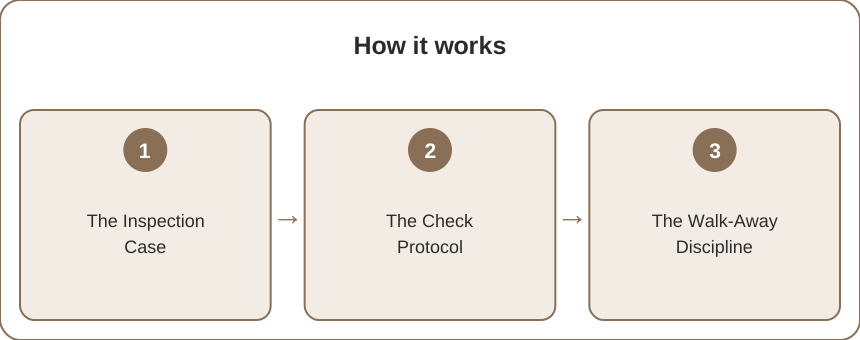
The Walk-Away Discipline
The decisions: the fatal-flaw list (the broken structural zips on complex garments — the embedded odors, the moth colonies, the set stains at visible spots; the walk-away-fast category), the fixable-and-worth-it math (the flaw priced against the repair PLUS the find’s value — the great-blazer-loose-button being obviously worth it; the alteration-eye from the alteration logic), the negotiation note (the flagged flaws sometimes discounting further at some venues), the sunk-cost prevention (the maybe-pile ruthlessness — the unsure item failing the inspection defaulting to no per the decision logic; the thrill-of-the-hunt bias named), the post-purchase protocol (the everything-washed-before-wearing law — the quarantine wash per the hygiene logic; the freezer trick for the knit paranoia per the moth logic), and the closing frame (the two minutes converting thrift from gamble to system — the zips run, the light test done, the sniff honest; the treasures verified, the lemons left; the racks, hunted safely). Run every zip, sniff honestly, hold knits to the light: the find, verified before the register.
The inspection IS the return policy: run EVERY zipper, patrol underarms-collar-cuffs for set stains in real light, stress seams gently, hold knits up for moth holes, and sniff honestly — embedded odor is the hardest flaw to fix. Sort fixable (loose buttons, hems) from fatal (structural zips, smoke, moth colonies), price flaws against repair costs, and wash everything before wearing.
Keep Reading
This article is for general styling and informational purposes only. Trends, sizing, availability and pricing may vary by brand and season.