How to Style Vintage Pieces in a Modern Way
Quick Answer: To dress vintage with modern clothes, pair one vintage piece with contemporary basics rather than building a head-to-toe period look. Let the vintage item be the single focal point, tailor it to fit your actual proportions, and anchor it with current shoes, accessories and hair. That combination reads stylish; matching everything to the era reads costume.
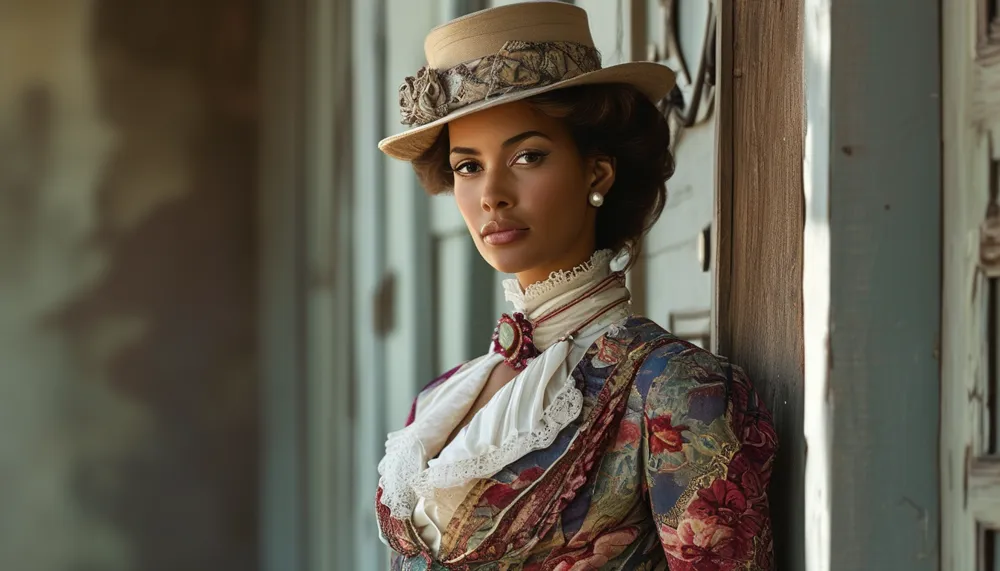
There’s a moment with every vintage find where it tips. One direction it’s the most interesting thing you own — real quality, real character, nothing anyone else is wearing. The other direction, you look like you’re on your way to a themed party.
The garment is identical in both scenarios. Only the styling changed.

What’s the golden rule for wearing vintage?
Balance. One vintage piece, everything else contemporary.
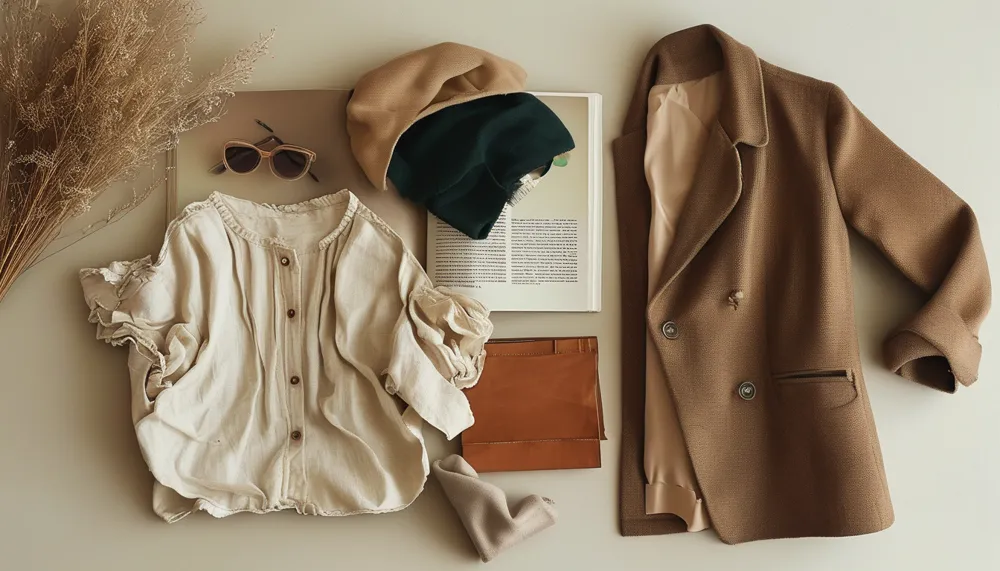
A vintage blouse with modern tailored trousers. A 1970s coat over a plain outfit you’d wear anyway. A beaded evening bag with a current dress. The mix keeps the look anchored in the present rather than tipping into full period dress.
The reason this works: your eye reads era through the combination, not through individual pieces. One old thing among new things reads as a choice. Three old things from the same decade read as a costume, no matter how good each piece is.
Should you wear one vintage piece or several?
One, in almost every case — at least until you’ve got the instinct for it.
Let a single special item be the star and keep everything around it simple and modern. One statement vintage jacket, one dress, one bag against clean contemporary basics reads as considered and personal.
If you do want to wear two, separate them by era and by category. A 60s coat with an 80s bag is fine. A 60s coat with a 60s dress and 60s shoes is a reenactment.

Why does tailoring matter so much with vintage?
Because vintage sizing bears almost no relationship to modern sizing, and older cuts were designed for different undergarments and different proportions entirely.
A vintage dress with a bodice built for a structured foundation garment will sit oddly on a modern body. A 1980s blazer has shoulder pads doing work you may not want done. A 1950s waist sits higher than most people expect.
Taking in, hemming, shortening sleeves and — most transformative of all — removing or reducing shoulder pads turns a piece from dated to genuinely chic. A great vintage find that fits perfectly reads expensive and current. The same piece unaltered reads like it belongs to someone else, because it did.
Budget for alterations when you buy. It’s usually the difference between wearing it and admiring it in the closet.

How do accessories modernize a vintage piece?
They do more than the garment does.
Contemporary shoes, current bags, modern jewelry, and present-day hair and makeup pull a vintage piece firmly into now. The same 1970s dress reads completely differently with sleek modern sandals and undone hair than it does with period-accurate shoes and a set curl.
The practical rule: let the vintage piece supply the character and let everything else supply the date stamp. Modern sneakers under a vintage dress is a well-worn move for exactly this reason — the contrast makes both halves look deliberate.
Skip the era-matching accessories, however tempting. That’s where costume lives.
5 Mistakes Everyone Makes With Vintage
- Matching the era top to bottom. One vintage piece, modern everything else. This single rule prevents most costume problems.
- Wearing it unaltered. Vintage sizing is not modern sizing. Hem it, take it in, and reconsider those shoulder pads.
- Adding period hair and makeup. This is the fastest possible route from stylish to themed, and it happens by accident more than by choice.
- Buying for the label rather than the fit. A beautiful piece that doesn’t fit your frame and can’t be altered is a wall decoration.
- Ignoring the fabric’s condition. Check underarms, seams and closures before buying. Old fabric can be structurally tired even when it looks perfect on the hanger — and some damage genuinely can’t be repaired.
Frequently Asked Questions
How do you wear vintage without looking like a costume?
Wear one vintage piece with contemporary clothing, keep hair and makeup current, and use modern shoes and accessories. Costume happens when multiple elements point to the same era at once — break that pattern and the piece reads as personal style instead.
Is vintage clothing worth altering?
Usually yes. Alterations are typically inexpensive relative to what a comparable-quality new garment costs, and vintage construction often has generous seam allowances that make taking in or letting out easier than with modern fast fashion.
What vintage pieces are easiest to style in a modern way?
Outerwear, denim, knitwear and bags. All four sit over or alongside a contemporary outfit rather than defining its shape, so they add character without dictating the whole silhouette. Full dresses and structured suiting take more styling effort.
TL;DR:
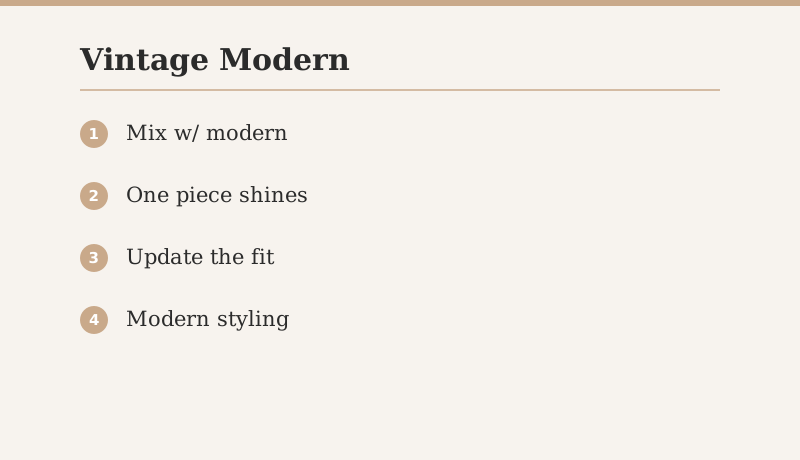
- Pair one vintage piece with contemporary clothing — the mix is what keeps it current
- Let a single item be the focal point rather than building a full period look
- Tailor it: vintage sizing differs from modern, and shoulder pads are often the giveaway
- Modernize with current shoes, bags, jewelry, hair and makeup — skip era-matching accessories
- Check underarms, seams and closures before buying; old fabric can be tired even when it looks fine
Keep Reading
This article is for general styling and informational purposes only. Trends, sizing, availability and pricing may vary by brand and season.